


Choosing the right laptop can make marketing work faster, easier, and more productive. Whether you work in digital marketing, social media, SEO, content creation, or advertising, your laptop needs to handle your daily tasks without slowing you down.
If you are wondering how to choose the right laptop for marketing,
focus on performance, battery life, display quality, portability, and storage rather than simply choosing the most expensive model.
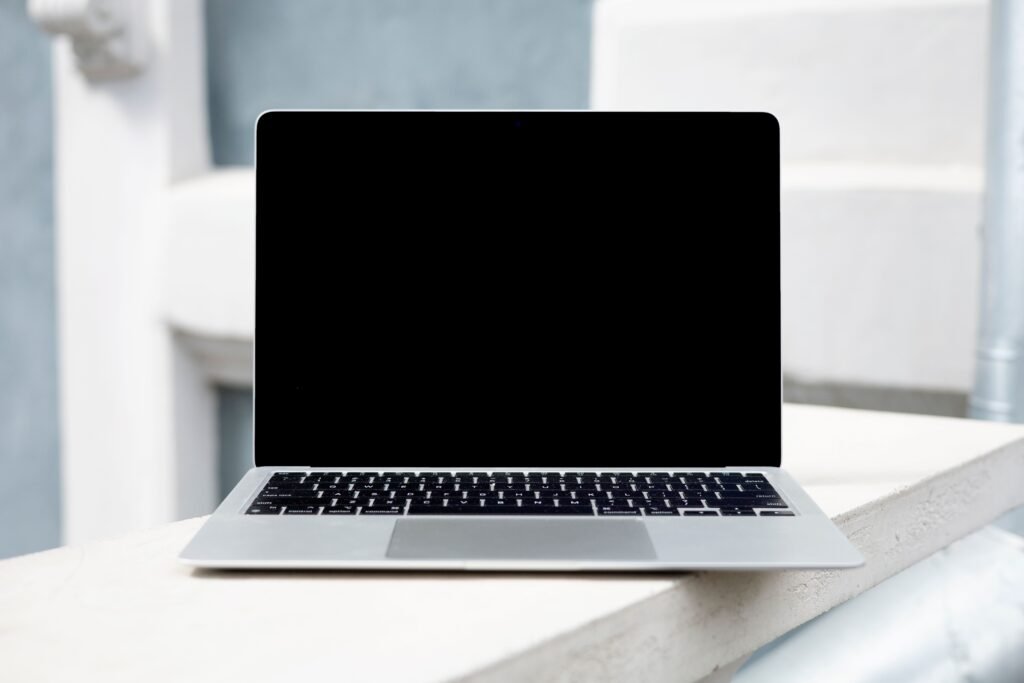
1. Choose a Fast Processor
The processor is one of the most important parts of a marketing laptop. Marketers often work with several browser tabs, spreadsheets, analytics platforms, design tools, and communication apps at the same time.
Look for a modern Intel Core, AMD Ryzen, or Apple processor. A faster processor will help your laptop handle multitasking smoothly.
2. Get Enough RAM
RAM affects how well your laptop handles multiple tasks at once.
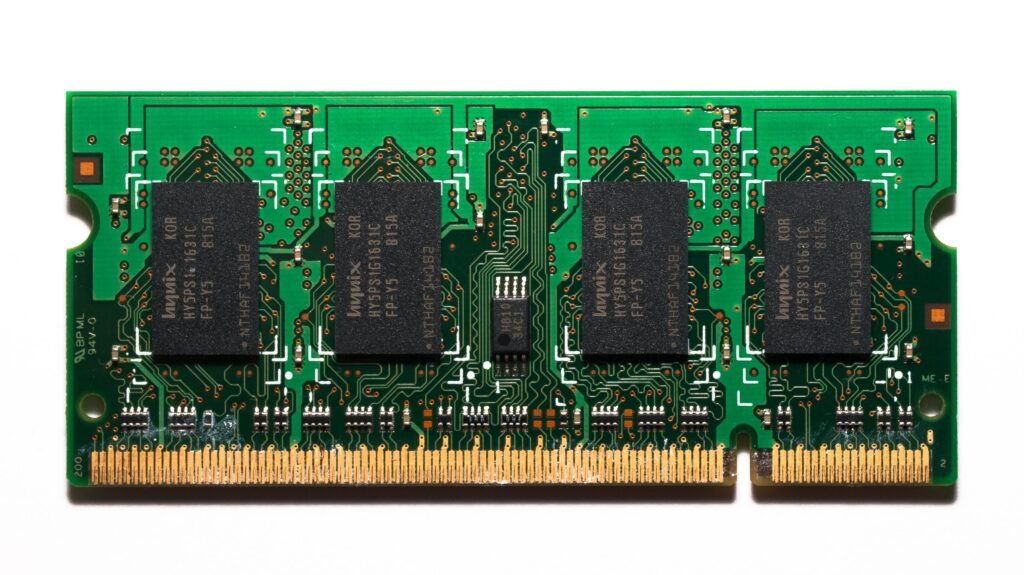
For most marketing professionals, 16GB of RAM is a strong starting point. If you regularly edit videos, work with large files, or use demanding creative software, consider 32GB.
Avoid choosing a laptop with too little RAM just to save money. A small upgrade in memory can make a noticeable difference in everyday work.
3. Consider SSD Storage
Marketing involves plenty of files, including presentations, images, videos, documents, and campaign data.
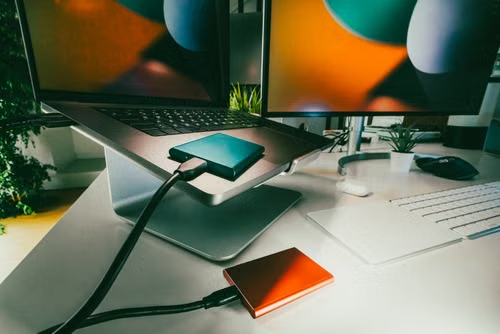
An SSD provides faster startup times and quicker file access than traditional hard drives. For most marketers, 512GB of SSD storage is a practical starting point. If you create lots of video content, 1TB or more may be better.
4. Look for a Good Display
A quality display matters when you spend hours creating content, reviewing advertisements, or analyzing reports.

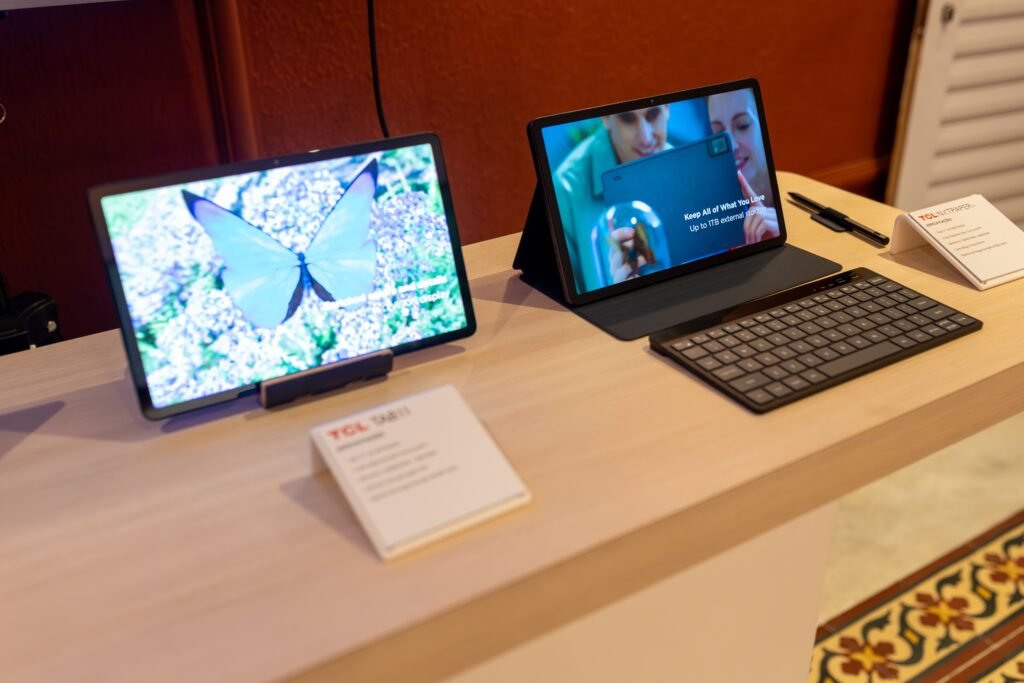
Choose a laptop with a sharp Full HD or higher-resolution screen. Good brightness and accurate colors are especially useful for marketers who work with graphics, photography, and video.
5. Don’t Ignore Battery Life
Marketing work does not always happen at a desk. You may work from a café, office, meeting room, or while traveling.
A laptop with strong battery life gives you more freedom and reduces the need to stay near a power outlet. Check real-world battery reviews rather than relying only on the manufacturer’s claims.
6. Think About Portability
If you travel frequently, a lightweight laptop can be a major advantage.
A 13- to 15-inch laptop often provides a good balance between screen space and portability. If you mainly work from an office or home, a larger screen may be more comfortable.
7. Choose the Right Operating System
Windows and macOS can both work well for marketing.
Windows laptops offer a wide range of prices and hardware options. MacBooks are popular for their build quality, battery efficiency, and creative-work performance.
Choose the system that supports the marketing tools you use most and fits your existing workflow.
8. Check the Webcam and Connectivity
Marketing often involves online meetings, presentations, and client calls. A good webcam and microphone can make a professional difference.
Also check for useful ports such as USB-C, USB-A, HDMI, and headphone connections. If the laptop has limited ports, you may need a docking station or adapter.
9. Match the Laptop to Your Marketing Work
The best laptop for marketing depends on the type of work you do. If your work mainly involves SEO, social media, email marketing, content writing, analytics, and managing multiple browser tabs, a laptop with a modern processor, 16GB of RAM, and 512GB of SSD storage should be enough for most tasks.
If you regularly create videos, edit photos, design graphics, or work with other demanding creative software, consider a more powerful laptop with 32GB of RAM, a faster processor, and at least 1TB of storage.
Before buying a laptop, think about the marketing tasks you perform most often. Choosing a laptop based on your actual workload can help you get better performance without spending money on features you may not need.
Conclusion
Choosing the right laptop for marketing does not necessarily mean buying the most expensive model. The best choice depends on your workload, budget, and the marketing tools you use every day.
For most marketing professionals, a laptop with a modern processor, 16GB of RAM, 512GB SSD storage, a good-quality display, reliable battery life, and comfortable portability can provide a strong balance of performance and value. If your work includes video editing, graphic design, or other demanding tasks, investing in more RAM, faster processing power, and additional storage may be worthwhile.
By considering these factors before buying, you can choose a laptop that supports your marketing work efficiently and remains useful as your needs grow.
Frequently Asked Questions
What is the best RAM for a marketing laptop?
For most marketing professionals, 16GB of RAM is a good starting point. It provides enough memory for working with multiple browser tabs, spreadsheets, analytics platforms, communication tools, and common marketing software. If you regularly edit videos or use demanding creative applications, 32GB of RAM may be a better choice.
Is 16GB RAM enough for digital marketing?
Yes, 16GB of RAM is enough for most digital marketing tasks. SEO, social media management, email marketing, content writing, analytics, and advertising platforms generally do not require extremely high amounts of RAM. However, marketers who frequently work with video editing or advanced graphic design may benefit from 32GB.
How much storage does a marketing laptop need?
For most marketers, 512GB of SSD storage is a practical starting point. It provides enough space for documents, presentations, images, software, and other work files. If you create and store large video files or other media, choosing a laptop with 1TB or more can provide additional flexibility.
Is a MacBook good for marketing?
Yes, a MacBook can be a good option for marketing professionals. MacBooks are well suited for tasks such as content creation, social media management, analytics, SEO, and creative work. However, Windows laptops can also be excellent choices, so you should select the operating system that works best with your preferred marketing tools and workflow.
Do marketers need a powerful laptop?
Marketers do not always need a high-end laptop. If your work mainly involves browsing, SEO, social media, email marketing, spreadsheets, and analytics, a mid-range laptop can provide sufficient performance. More powerful hardware becomes useful when your work includes video editing, graphic design, large files, or other demanding applications.
What should I look for when buying a laptop for marketing?
When choosing a laptop for marketing, consider the processor, RAM, SSD storage, display quality, battery life, portability, operating system, webcam, and connectivity. Your specific marketing tasks should determine which features deserve the most attention.

5. SEO Title
How to Choose the Right Laptop for Marketing in 2026
4. Meta Description
Learn how to choose the right laptop for marketing based on performance, RAM, storage, display, battery life, portability, and your marketing needs.
HE WHAT YOU HAVE